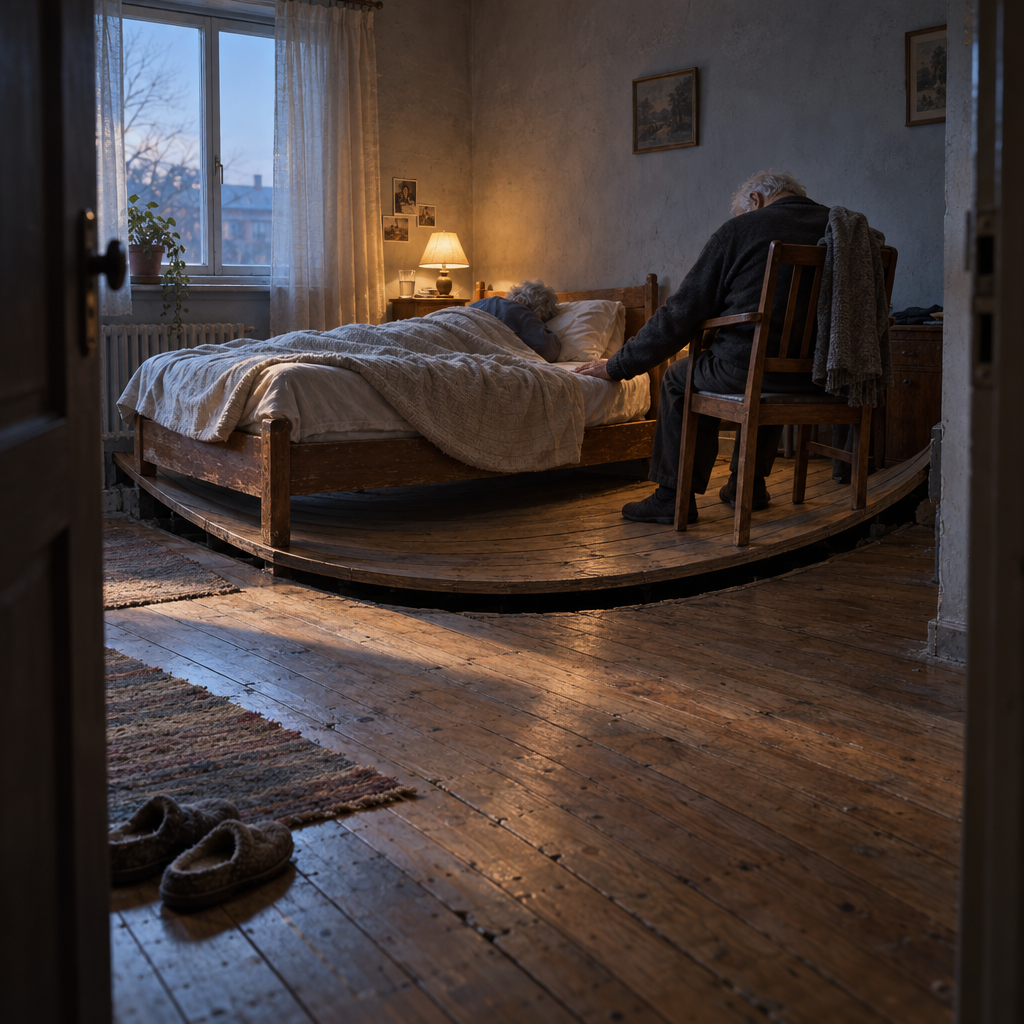
We treat aging as a private biological clock ticking down inside an isolated skin. Yet the body's decline is rarely experienced alone. When memory dims or physical strength falters, the tax is paid directly within relationships, changing who can carry whom through the ordinary hours. Recent discoveries show that biological aging can be slowed at its metabolic roots, improving muscle and memory simultaneously. This exposes a quiet truth: longevity is not merely an extended timeline, but the raw material of human presence.
The Currency of Presence
Laboratory findings reveal that targeting metabolic pathways can preserve both neural clarity and muscular power in aging bodies. Science measures this as prolonged healthspan. In daily life, however, muscle and memory are not abstract metrics; they are the physical infrastructure of care. To hold a declining partner, to remember a shared history, to lift a resting body without strain—these are metabolic acts. When baseline vitality drains away, emotional devotion remains, but the physical means to actuate that devotion collapses into exhaustion.
The Exhaustion Trap
Modern culture frames longevity as a private achievement, an individual portfolio of self-care and medical intervention. Meanwhile, social structures demand infinite emotional availability from care providers whose own physical baselines are depleted by wage labor and unassisted care. Extending the biological runway without restoring the physical baseline of daily life creates a hollow longevity: bodies kept alive longer in systems that offer no structural room for rest or meaningful connection.
A life extended without the physical baseline for presence is merely a prolonged endurance test; true longevity begins where shared fatigue ends.
Restoring the Scaffold
Recognize that physical exhaustion is not a moral failing or a lack of love. Shift the focus from individual longevity tricks to building domestic and community architectures that protect physical rest. Support systemic investments that preserve baseline biological integrity—sleep, nutrition, metabolic care, and unburdened time—so that physical presence remains a living capability rather than a grueling tax.
Do not measure a life by the number of years it remains standing, but by the physical ease with which it can hold another.