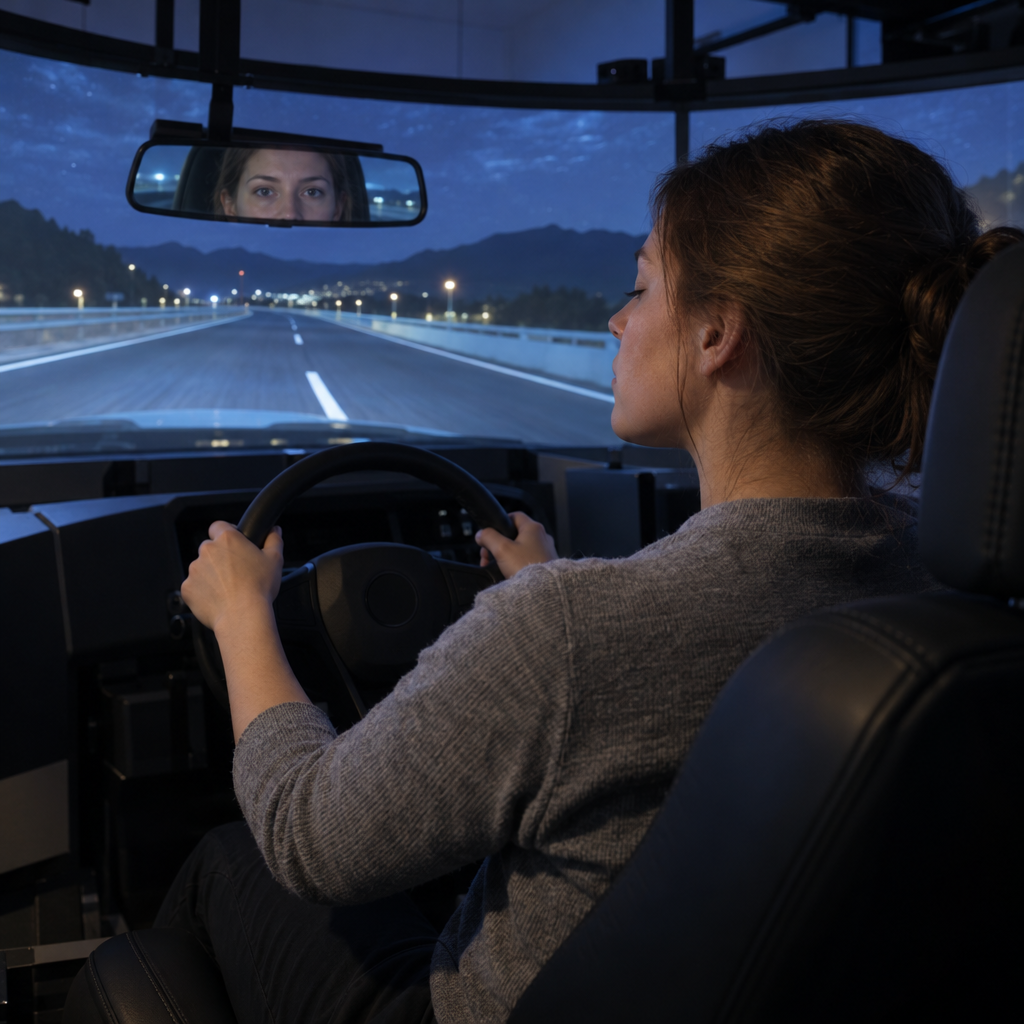
Sleep loss can degrade a person’s performance on a safety-sensitive task. It can also impair the person’s ability to notice that change. Accumulated evidence supports both effects, though their degree varies across people, tasks and circumstances.
Subjective awareness still matters. A person’s report of fatigue or difficulty is relevant information. But feeling able to continue does not always establish that performance remains intact.
Put together, those findings support a safety inference: a stop rule based only on self-assessment can fail before the person recognizes the need to stop. The system has assigned detection to the same human capacity that sleep loss may be impairing.
That is not carelessness by the tired person. It is a blind spot in the safeguard. Additional protections will depend on the task and its risks, but self-awareness should not have to carry the entire decision alone.