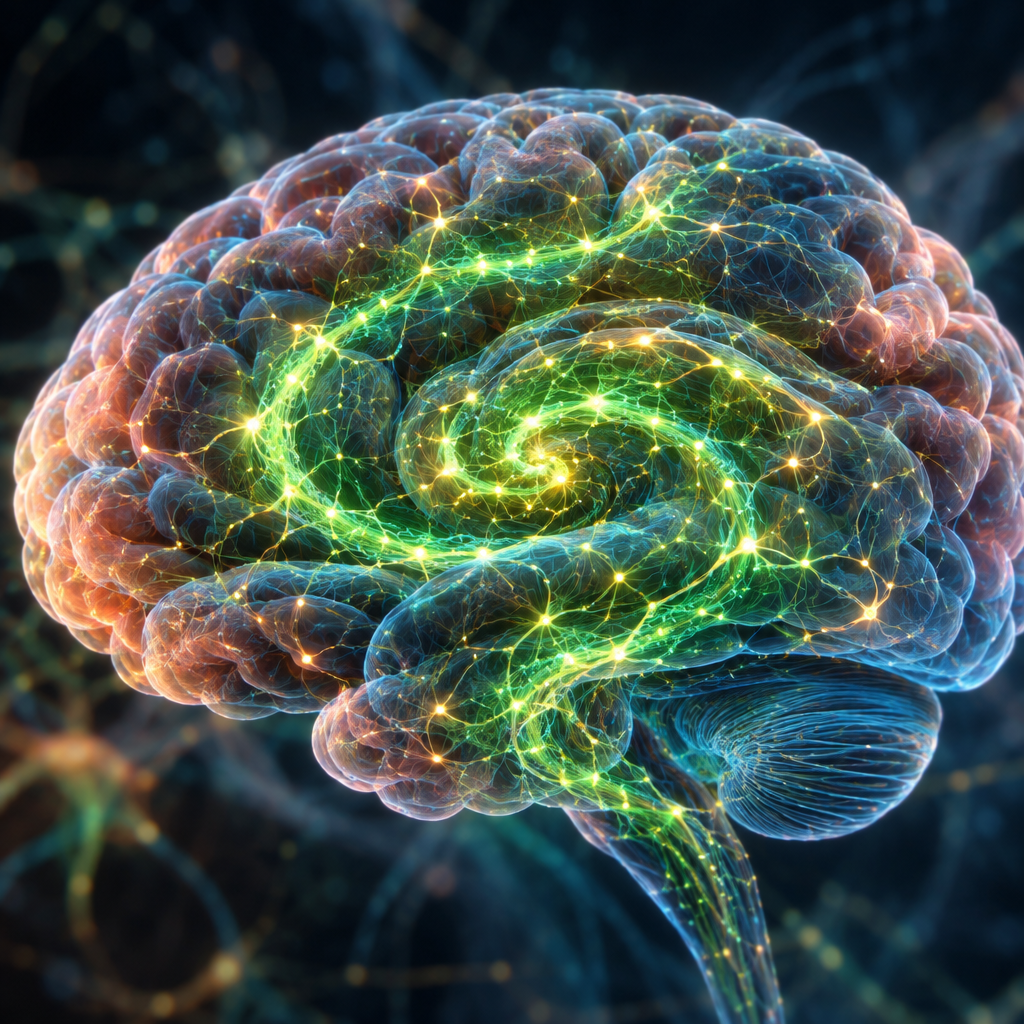
The commonly held belief that our brains become fixed and less adaptable as we age is being challenged by a powerful revelation: neuroplasticity doesn’t stop with childhood but continues throughout our adult lives. This concept underscores the profound capacity for lifelong learning and growth, offering a compelling invitation to embrace change at any age.
The Science of Change
Neuroplasticity refers to the brain's ability to reorganize itself by forming new neural connections in response to learning, experience, or injury. This persistent adaptability signifies that environmental factors and behaviors can continuously reshape our brain structure and function. Such dynamic capability provides the foundation for cognitive and emotional development well into adulthood.
Cultivating a Growth Mindset
Understanding neuroplasticity empowers us to adopt a growth mindset, the belief that we are not bound by our current abilities but can expand them. Engaging in activities that challenge and stretch our mental capacities — such as learning a new language, picking up a musical instrument, or changing habitual thought patterns — can stimulate neuroplasticity, enhancing brain health and resilience.
Emotional Intelligence and Resilience
Beyond cognitive growth, neuroplasticity also plays a vital role in emotional development. By consciously engaging in practices like mindfulness and therapy, we can rewire negative thought patterns, heal emotional wounds, and foster greater emotional intelligence and resilience.
A Path to Endless Possibilities
By embracing the ever-adaptive nature of our minds, we unlock a pathway to continual personal development. This liberation from the supposed rigidity of aging invites us to explore, experiment, and expand our horizons without the constraints of "what has always been." It is a call to harness the transformative power of our environments and daily behaviors to sculpt the individuals we aspire to become.
In light of neuroplasticity, the narrative of our brains being static and inflexible is ripe for rewriting. We possess not only the ability but the responsibility to actively engage in the creation of our cognitive and emotional landscapes. The promise of neuroplasticity is not just a scientific discovery — it is an invitation to lifelong evolution.