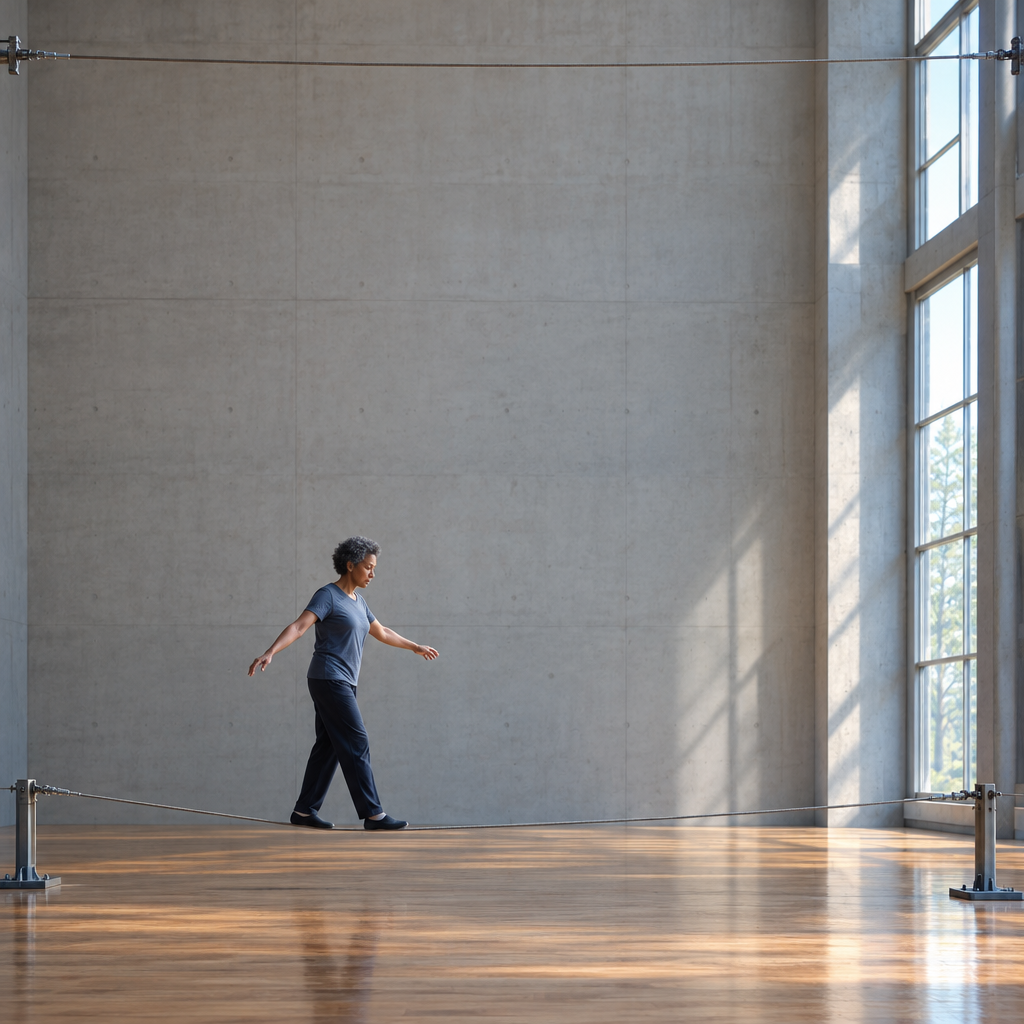
The system takes care of the ordinary. A person remains responsible for the extraordinary.
What keeps that arrangement safe?
The ordinary work may have been doing two jobs. It got something done, and it gave a person repeated contact with how things worked: making a small correction, seeing its effect, recognizing when something was beginning to drift.
Automation can remove the need for those actions. It can also remove occasions to practice them. A person may remain close to the controls while becoming less familiar with what using them now would require.
That is a possibility, not an inevitable decline. Reduced involvement need not mean lost readiness. But readiness needs support beyond a name on a duty roster.
In a rare emergency, the person may need more than the ability to operate a control. They may need to understand what changed, what the system has already done, and what it is still doing. They need to distinguish an action that could help from one that could make things worse. And they need enough time to make that distinction and act.
“Take over” is an instruction. It does not, by itself, supply any of those conditions.
This is where responsibility and capability can quietly part company. The obligation remains clear while the means to meet it become uncertain. Calling the person a backup does not close that distance. Neither does asking them to be more alert.
The useful questions belong inside the design:
Does practice keep the needed skills available—not merely certify that they once existed? Can the person understand the system’s current state without reconstructing it from scattered clues? Does the handover leave time for a useful response?
Training, usable information and time to act are not courtesies extended to the operator. When safety depends on human intervention, they are part of what makes that intervention possible.
Automation can improve safety overall. This tension does not establish that doing the routine by hand would be safer. It asks whether a system maintains the human ability it still expects to call upon.
The person is there.
What, during all the hours when help is not needed, keeps them able to help?