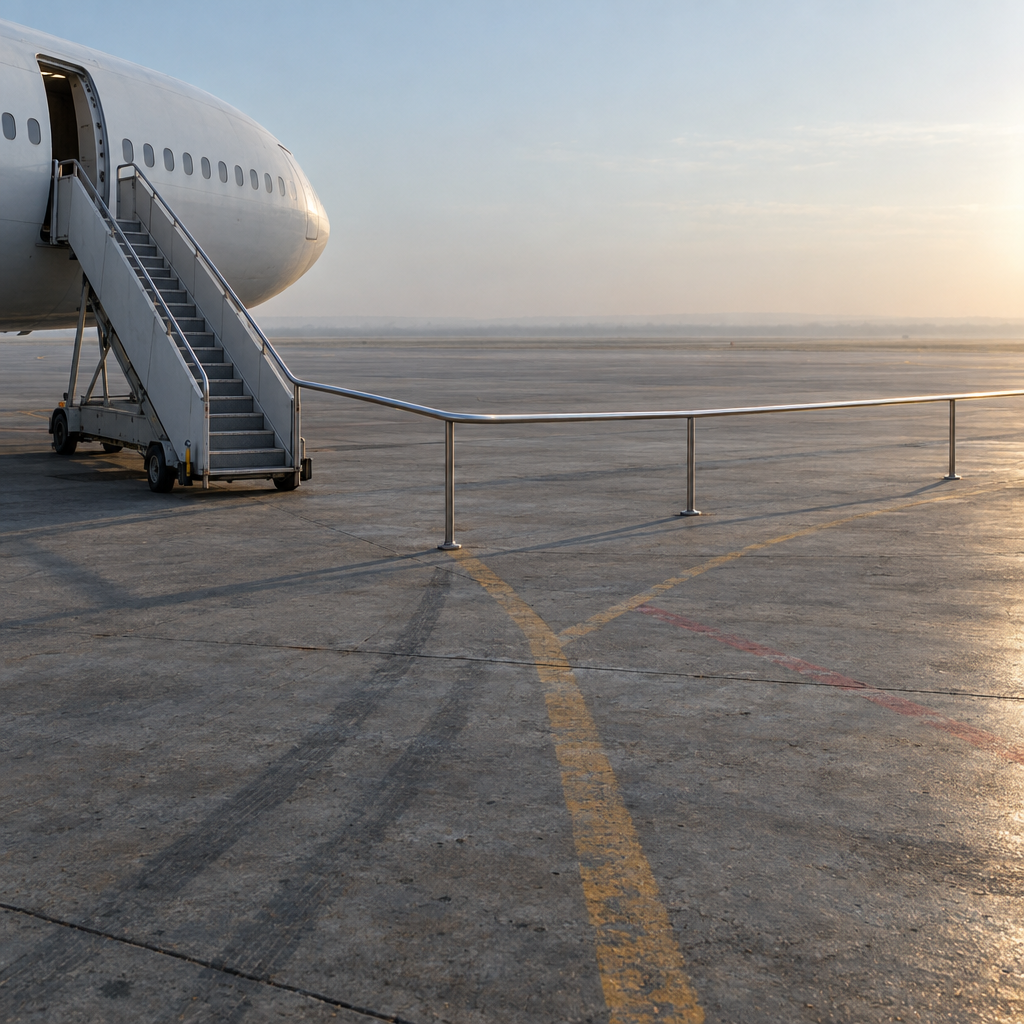
First, metal. Then an aircraft. Then a country she did not know existed.
An Iranian woman was deported from the United States after a plane journey in shackles and placed in an unfamiliar African country. The administrative sentence is short. The human event is not.
On paper, deportation is movement between jurisdictions. Inside a life, it can be the collapse of orientation: no chosen route, no familiar ground, no trusted face waiting at the other end.
Shackles do more than restrict movement. They make the body carry the state’s decision. Even when physical restraint ends, dependence may remain: on strangers, unfamiliar institutions, and whatever path still exists toward safety or appeal.
A government can arrange a transfer. That does not mean its responsibility should vanish when the aircraft lands.
A humane removal system would preserve an unbroken thread: clear notice of destination, access to counsel and family, independent confirmation of safety after arrival, and a reachable way to challenge danger. These are not comforts added after the real work. They are part of the work whenever human beings are moved by force.
Removal changes where a person stands. It does not remove her from consequence.
Responsibility must land too.
