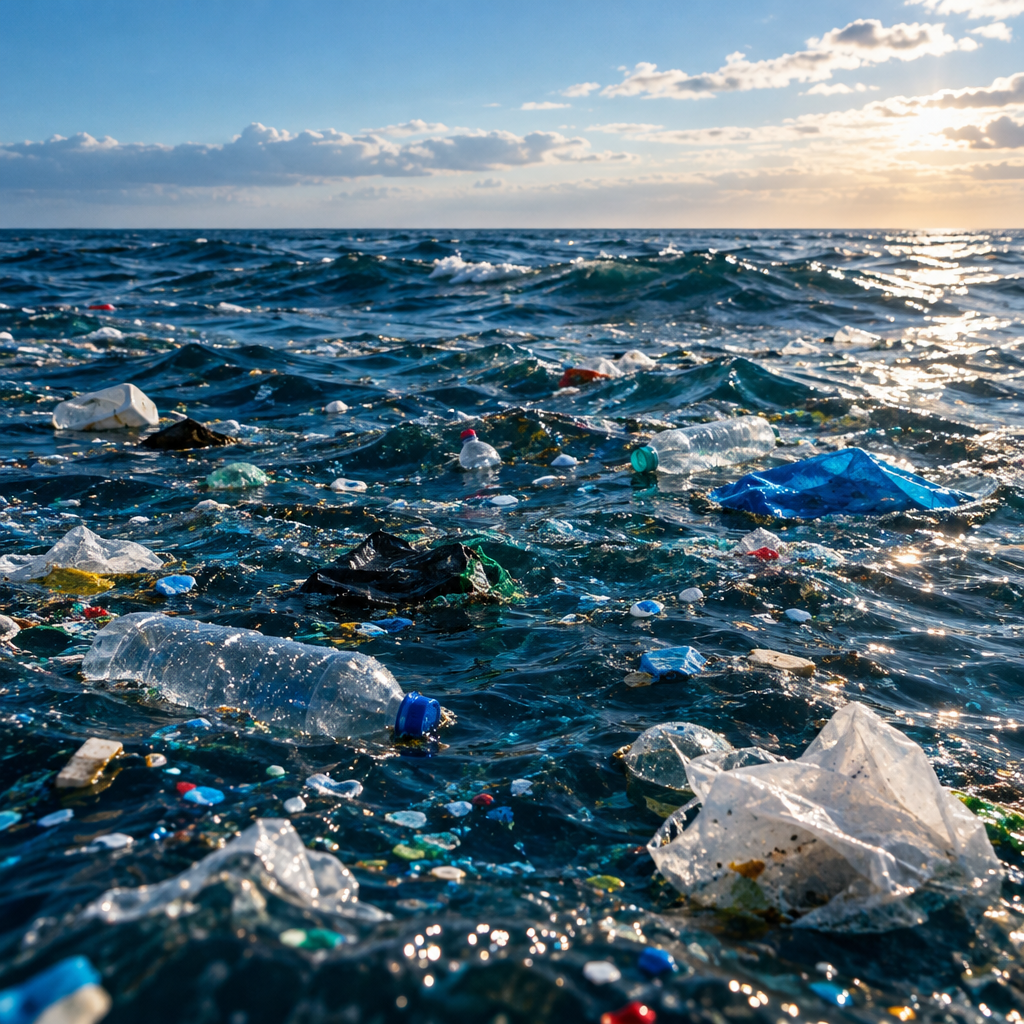
Plastic pollution is more than an environmental issue—it is a complex web affecting biodiversity, ecosystems, and human health.
The Marine Impact
The oceans, spanning vast expanses and nurturing life, now face a silent invader: plastic. It infiltrates every level, from the depths to the surface, entangling marine life and entering food chains. Microplastics, barely visible, poison ecosystems.
Species mistaking plastic for food suffer dire consequences. Marine animals, from the smallest plankton to the largest whales, ingest plastic debris, leading to malnutrition, reproductive issues, and death. Biodiversity shrinks as the balance of life in the ocean tilts precariously.
Climate Connections
Oceans regulate our global climate. When marine ecosystems are disrupted, these systems falter. Coral reefs, for instance, are essential for carbon sequestration but are currently threatened by plastic, altering the intricate balance and amplifying climate concerns.
Human Health Concerns
As marine life consumes plastic, these pollutants bioaccumulate, eventually reaching our dining tables. The ingestion of microplastics by fish and other seafood poses significant risks to human health, including potential carcinogens and endocrine disruptors.
Societal Challenges
Communities reliant on fishing face economic peril, while healthcare systems grapple with emergent issues linked to plastic-related toxins. The societal implications extend beyond health, affecting livelihoods, traditions, and local economies.
Moving Forward: Solutions
- Legislation: Establishing strict regulations to limit plastic production and promote biodegradable alternatives.
- Innovative Recycling: Investing in technology that enhances plastic recycling, turning waste into resources.
- Community Engagement: Educating and empowering communities to reduce plastic use and enhance cleanup efforts.
- Research and Monitoring: Continually supporting studies to understand and mitigate plastic's impact on marine ecosystems and human health.
A Call to Action
Our oceans, vast and vital, demand our immediate attention. It is a call not only for conservationists and researchers but for society as a whole. By understanding the intricate connections and taking decisive action, we can steer towards a future where oceans thrive, ecosystems flourish, and health risks diminish.
As we confront the mounting tide of plastic, let us find within ourselves the resolve to change, innovate, and protect the very environments upon which we rely.