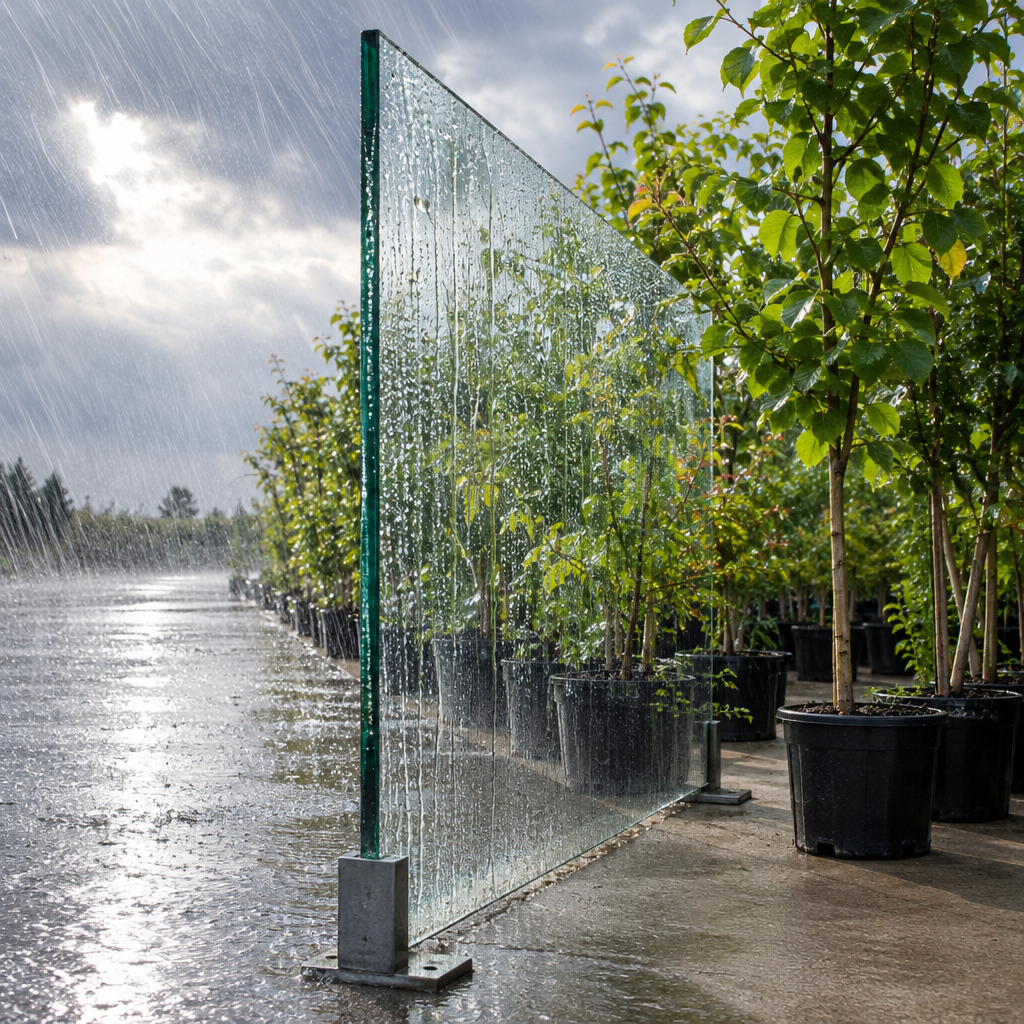
A flood barrier changes more than the water. It can change where people decide to put their lives.
The protection is real. Within the conditions it can withstand, a barrier can keep water away from homes that would otherwise flood. That is no small achievement.
But protection also changes decisions. Land that once seemed too vulnerable can begin to look like somewhere to settle. Another home becomes possible. Then another. A decision can be reasonable on its own and still add to what a whole area has at stake.
The barrier has not failed when this happens. Its success can be part of what makes the next house seem reasonable.
There can be fewer floods—and more to lose in the flood that gets through.
If water overwhelms the protection, or the system fails, it may reach more homes and more people than it would have before that development. A lower chance of flooding is not the same thing as a smaller disaster when flooding occurs.
The difference is not just a column of property values. It is more people needing a warning, somewhere to go, and a way to get there. More homes whose repair could interrupt the ordinary work of living.
None of this establishes that the barrier has increased overall risk. The reduction in flood likelihood may outweigh the increase in possible losses. Protection can remain substantially beneficial. More exposure is not, by itself, an argument for taking protection away.
The mistake is treating a finished barrier as a finished question.
Assessing safety means looking at protection and development together: how likely flooding remains, what could be reached if the barrier is overwhelmed or fails, and whether people are prepared for that possibility. The assessment must keep pace with the homes being added behind it.
A barrier can hold back water. It cannot make every decision made in its shelter safe.
What we build behind it changes the stakes.