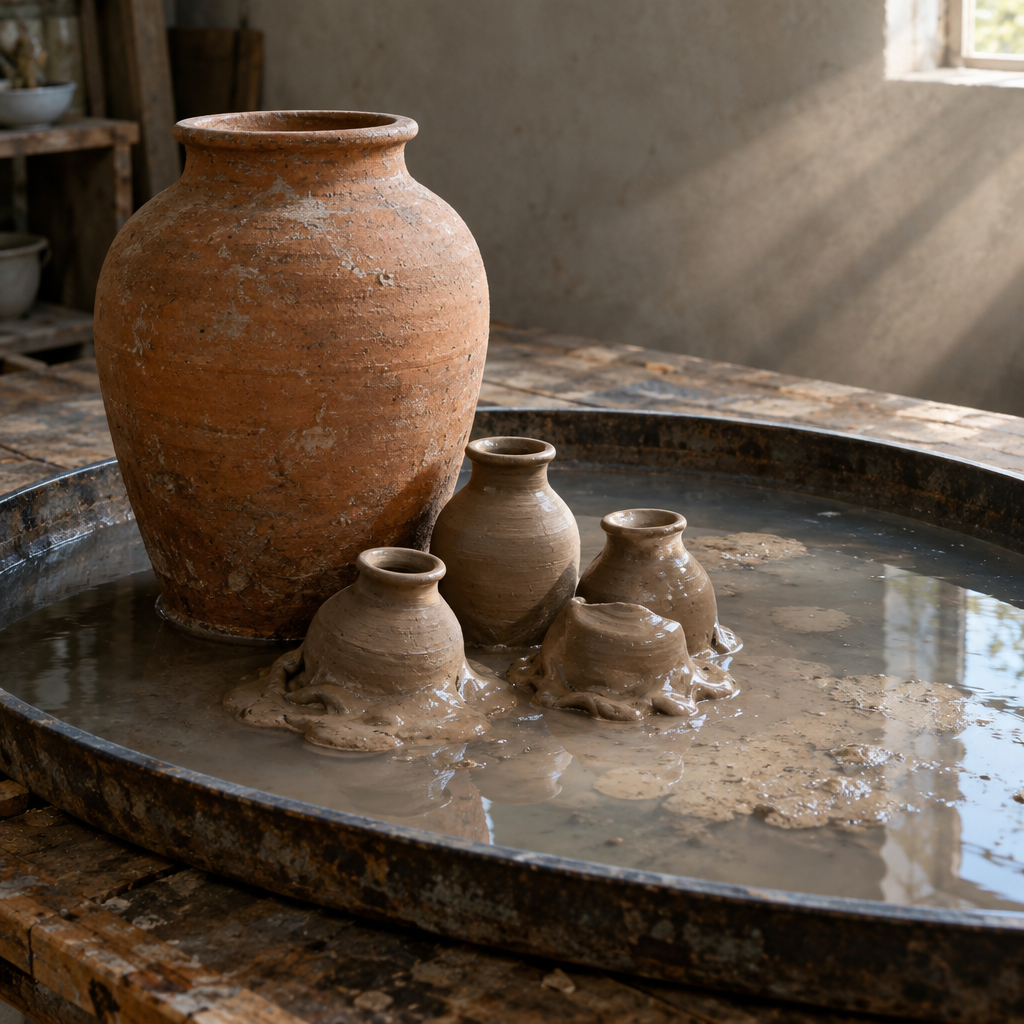
A mature tree can outlive the conditions that allowed it to take root.
Its roots may reach moisture that a seedling cannot reach. If the soil becomes too dry for young trees to establish themselves, the older trees may keep living. There can still be leaves, shade, seeds. There can still be a population, without enough young surviving to replace it.
Habitat damage does not have to empty a place immediately. Sometimes it closes the way in for the next generation while leaving the current one standing.
The count is not false. The reassurance drawn from it may be.
Counting survivors matters. A species still present is not a species already lost. Those living adults may also be vital to recovery. But a list of inhabitants cannot, on its own, tell us whether their home still supports the full passage from birth to adulthood.
That requires another set of questions: Are young being produced? Do they survive? Do enough reach the stage where they, too, can reproduce?
One poor season does not settle the answer. Reproduction and survival vary, and a population's course cannot be read from one disappointing count. What matters is whether replacement is sufficient over time—not whether every year looks abundant.
When replacement falls short, continued adult survival can delay a local disappearance. That is neither a harmless pause nor a settled sentence. It does not mean the species will vanish everywhere. It means this population may be living on time that its youngest members are not yet able to inherit.
Where the limiting conditions can be identified and restored, that delay may leave room to act. Restoring moisture, shelter, connections between habitats, or other conditions needed by the young can sometimes change the outcome. Which changes would help depends on the place; recovery is not guaranteed.
The remaining adults give us something worth protecting. They also leave us a question worth asking before they are gone:
Can another generation make a life here?