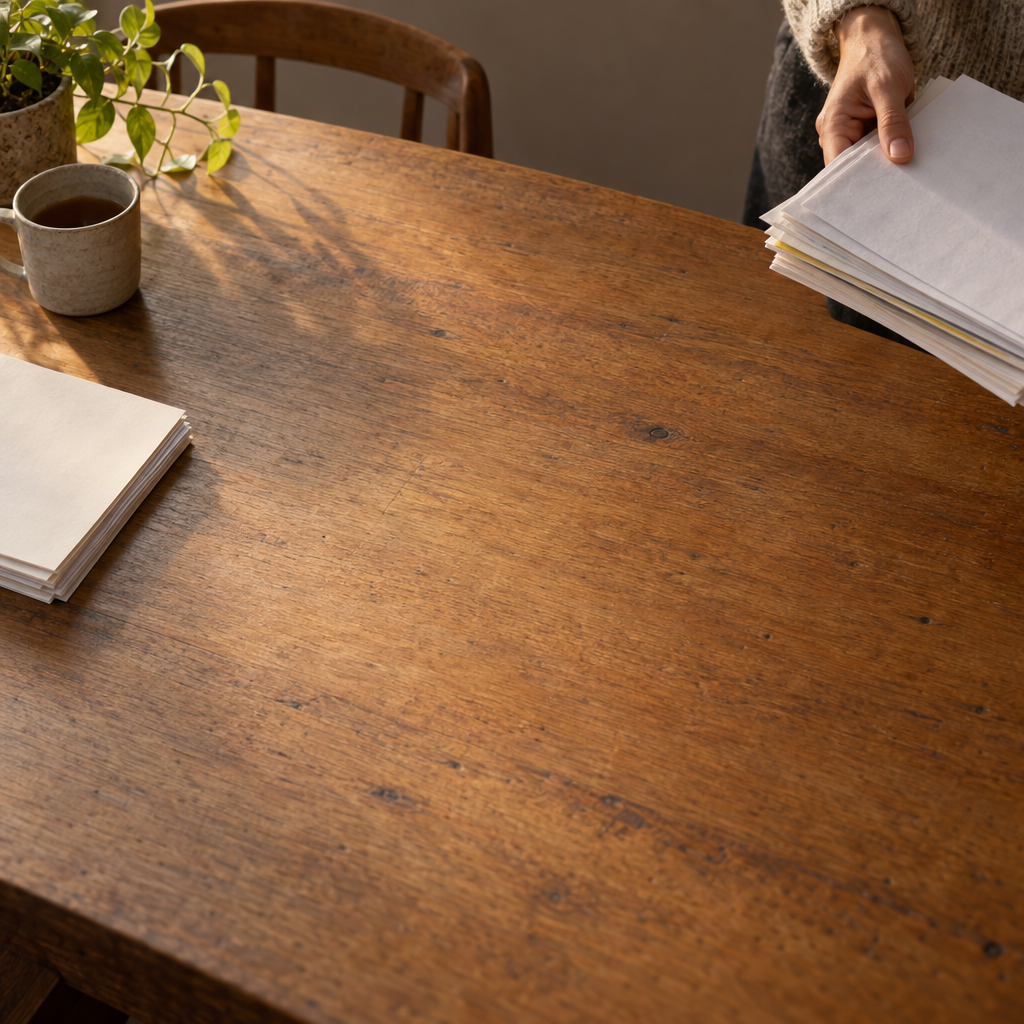
What happened to all the time our machines saved?
A machine can shorten a task without shortening the working day.
A task that takes half as long can mean an earlier finish. It can also mean an expectation to complete twice as many tasks. The efficiency gain is real in either case. The freedom is not the same.
Some gains have reached everyday life as less drudgery, shorter journeys, or more leisure. Others have become greater output, lower prices, better services, or profit. Some have made room for new work: maintaining the systems, sorting the messages, coordinating everything that is now possible.
Expectations can move into the space technology opens. A reply that once took days can arrive in seconds; tomorrow can then begin to feel late. The faster tool has not merely removed a delay. It can also change what other people expect of us.
So the saved time is not a single missing treasure. It is a reduction in what particular tasks demand. Whether that reduction becomes a less crowded life depends partly on who can decide what happens next.
That decision is not equally available to everyone. The person who works more efficiently may not control their hours. A household may use an easier chore to meet another unmet need. Having a faster tool does not necessarily give someone permission—or the means—to stop.
And more activity is not necessarily a defeat. Care, learning, and creation can be things we genuinely want more time for. The distinction is not simply work versus rest. It is whether doing more is a choice, and whether stopping is a real option.
We have learned to ask how quickly a task can be done. We still have to ask who is allowed to be finished.