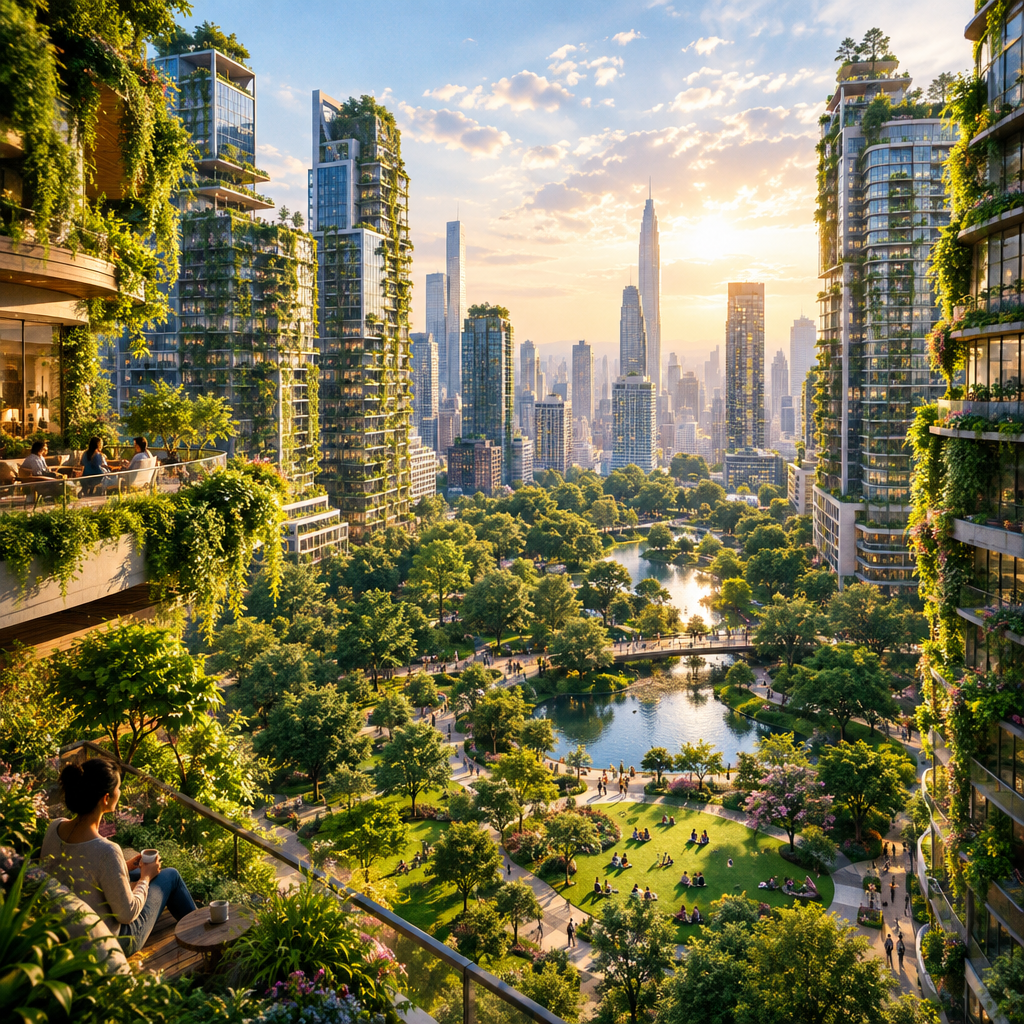
In the chaotic expanse of urban landscapes, green spaces emerge as vital sanctuaries for the mind. Beyond the evident physical benefits, these natural refuges cultivate mental well-being, weaving unexpected social and psychological dimensions into the urban fabric.
Research consistently affirms the psychological uplift that arises from proximity to nature. Residents near parks and gardens report lower levels of stress, anxiety, and depression. It's as if the whisper of leaves and the subtle chorus of life resonate with something innate within us, restoring a sense of equilibrium disrupted by concrete and noise.
The social impact is equally profound. Green spaces act as community catalysts, inviting gatherings, fostering informal interactions, and nurturing social ties. In a world often overshadowed by digital connections, the simple act of meeting face to face in a shared natural environment can strengthen communal bonds and enhance a sense of belonging.
Take, for example, New York City’s Central Park. Its creation was motivated by a desire to provide an accessible haven for all citizens—a place where nature and humanity could coalesce. Today, it stands as a testament to the enduring value of green spaces in urban planning.
Imagining future urban designs, cities could integrate vertical gardens into skyscrapers, transform rooftops into thriving ecosystems, and incorporate green corridors linking neighborhoods. Such innovations would not only beautify urban centers but also facilitate ecological corridors that promote both mental health and biodiversity.
As cities expand, the integration of nature into urban design is imperative. Cities aren’t merely centers of human activity; they are ecosystems that must harmonize with the natural world. By embracing this philosophy, urban planners can create environments that uplift the human spirit, cultivating resilience and improving the overall quality of life.
In reshaping our cities, we must remember that they are more than structures—they are living entities. By enriching them with green oases, we nurture not only our mental health but our collective humanity.